

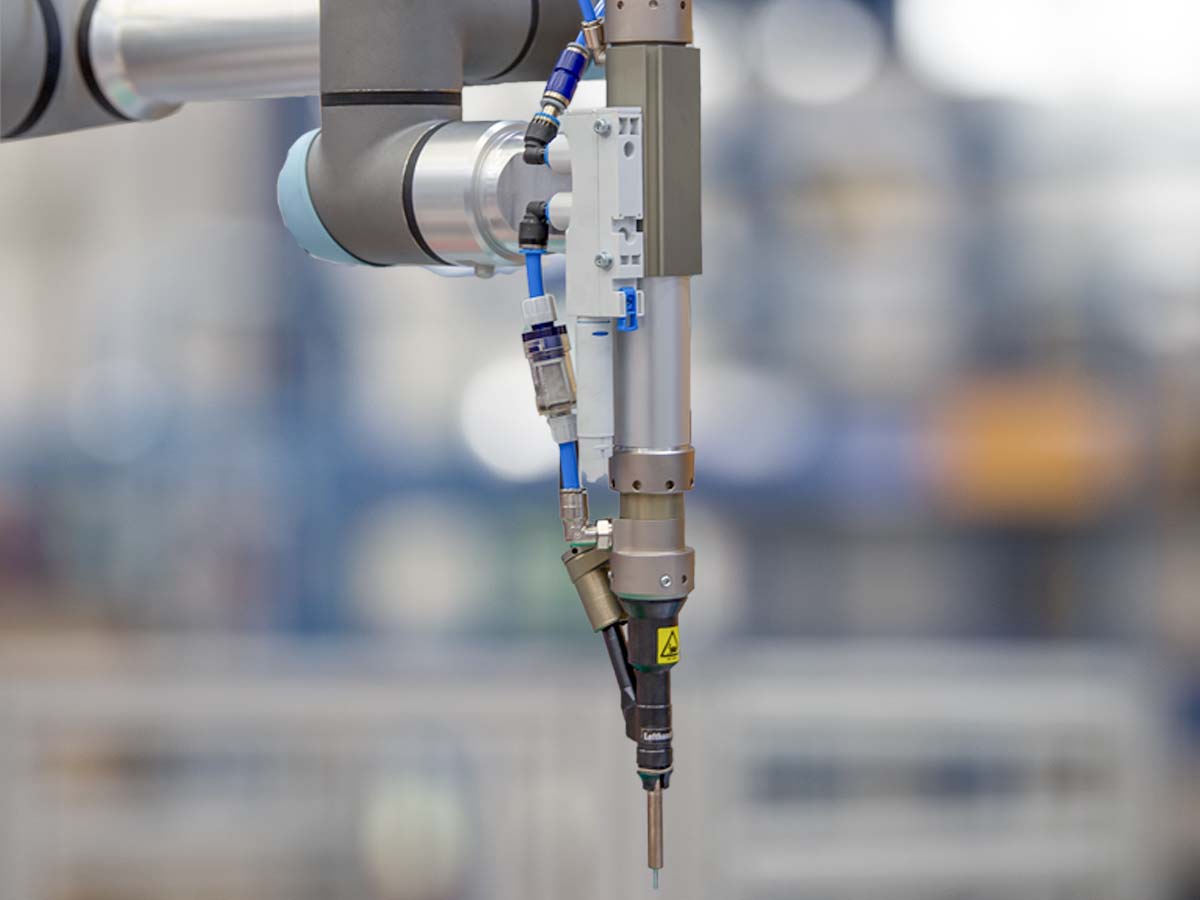
In electronics manufacturing, the assembly process often hinges on the smallest components. A single loose screw or a stripped thread in a consumer device or an automotive control unit can lead to catastrophic field failures and expensive recalls. While manual screwdriving has been the industry standard for decades, the move toward miniaturization and higher quality standards is pushing human capacity to its limits. This shift has placed the spotlight on automated solutions designed to handle high-volume, high-precision tasks with unwavering consistency.
The Limitations of Manual Assembly
Manual screwdriving is inherently prone to variability. Even the most skilled operators face fatigue over an eight-hour shift, leading to inconsistent downward pressure or slight misalignments. In the context of electronics, these minor errors manifest as cross-threading, “stripped” heads, or screws that are not fully seated.
Beyond physical errors, manual processes lack data traceability. If a batch of products fails a stress test, it is nearly impossible to go back and verify the exact torque applied to every fastener in a manual line. This lack of feedback creates a “black box” in the production cycle, where the only way to ensure quality is through 100% end-of-line inspection, which adds significant cost and time.
Engineering Consistency with Torque Control
The primary advantage of a robotic screwdriver lies in its ability to execute precise torque profiles repeatedly. Unlike manual tools, these systems utilize advanced transducers and encoders to monitor the fastening process in real-time.
Torque control is not just about reaching a final number; it involves managing the “torque-angle” relationship. The system can detect when a screw has started to engage (the “snug” point) and then apply a specific rotation angle to achieve the final clamp force. This ensures that delicate plastic housings are not cracked by over-tightening and that vibration-sensitive components remain secure. Feedback systems within the robot’s controller can immediately flag a “soft joint” or a “hard joint,” stopping the process before the part moves to the next station.
Mechanical Variations: Electric vs. Pneumatic Systems
When integrating screwdriving automation, engineers must choose between pneumatic and electric drive systems. Pneumatic screwdrivers are often valued for their high power-to-weight ratio and simple mechanical design. They are effective for high-torque applications where fine data granularity is less critical.
However, in electronics assembly, electric systems are typically preferred. Electric drives offer superior control over rotational speed and acceleration, which is vital when working with tiny, fragile fasteners. They provide the digital feedback necessary for Industry 4.0 integration, allowing every fastening cycle to be logged into a central database for quality assurance. The ability to program multiple torque settings into a single electric tool also allows a robot to handle different screw types on the same workpiece without a tool change.
Enhancing Throughput Through Repeatability
Automation significantly increases throughput by eliminating the “search and seat” time associated with manual work. High-speed screw feeders deliver fasteners to the tool tip in a consistent orientation, allowing the robot to move from one hole to the next with sub-millimeter precision.
In real-world electronics applications, such as PCB mounting or housing assembly, cobot-mounted screwdrivers have been shown to reduce rework by up to 90%. By ensuring every screw is driven correctly the first time, factories can eliminate the secondary rework stations that often become bottlenecks. This reduction in scrap rate is a direct contributor to improved profit margins in low-margin electronics sectors.
Calibration and Maintenance Protocols
To maintain the high standards required in electronics, a rigorous calibration schedule is essential. Over time, mechanical wear in the drive train or drift in the sensors can affect accuracy. Routine verification using an external torque analyzer ensures the system remains within its specified tolerances.
Maintenance managers should also focus on the wear parts of the system, specifically the bits and the screw-feeding tubes. A worn bit is a primary cause of cam-out, where the tool slips out of the screw head, potentially damaging the product surface. Modern robotic systems often include cycle counters that alert maintenance teams when a bit is approaching its expected end-of-life, allowing for proactive replacement during scheduled downtime.
Evaluating Success through Key Metrics
Transitioning to automated assembly requires a clear framework for measuring success. Factories should monitor specific KPIs to validate the investment and optimize the robotic cell performance.
- First Pass Yield (FPY): The percentage of units that are fastened correctly without requiring intervention or rework.
- Cycle Time per Fastener: The total time from screw pickup to final torque verification.
- Torque Deviation: The statistical variance in final torque across a production shift.
- Downtime Frequency: Tracking how often the system stops due to jammed screws or feeder issues.
By focusing on these metrics, production managers can fine-tune the robot’s speed and torque settings to find the optimal balance between rapid output and absolute precision. As electronics continue to shrink and complexity grows, the transition to intelligent, data-driven fastening becomes less of an upgrade and more of a fundamental requirement for modern manufacturing.
About The Author